

Île Renote
Trégastel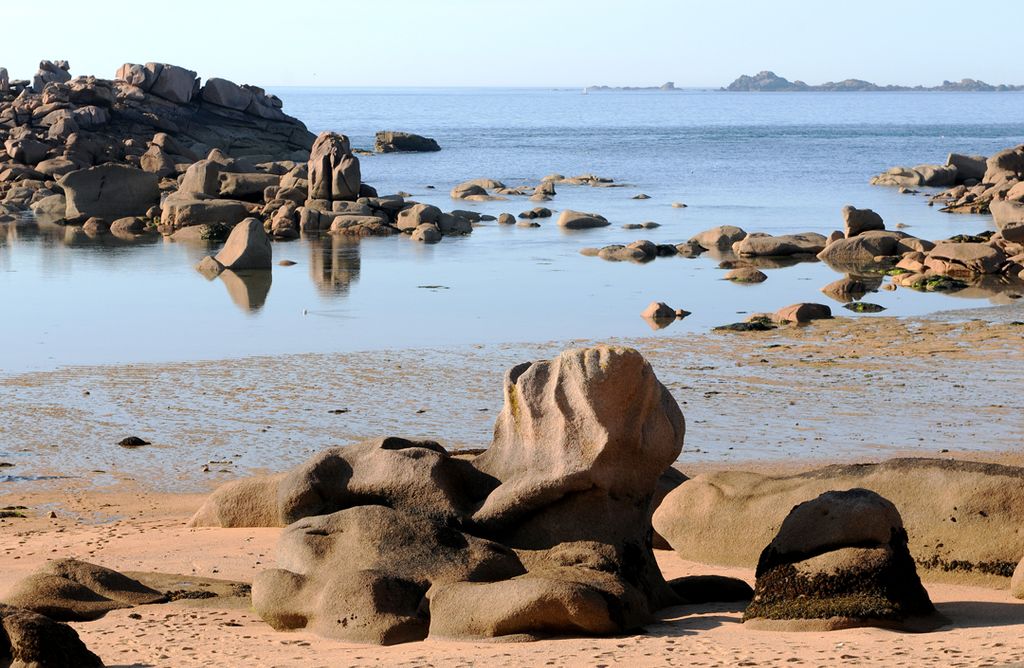
À propos
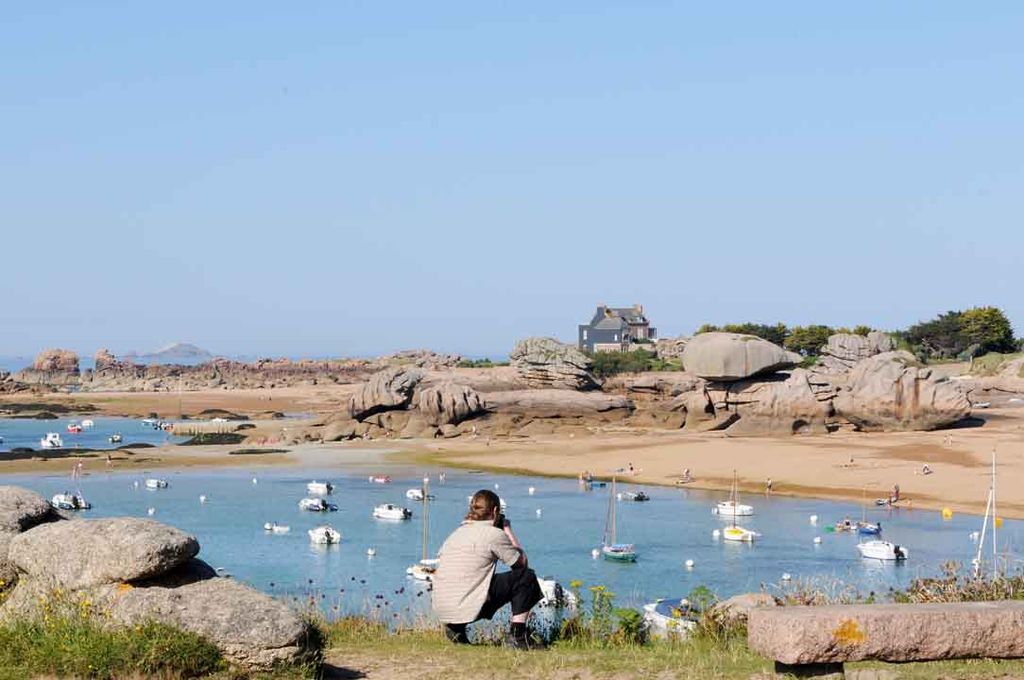
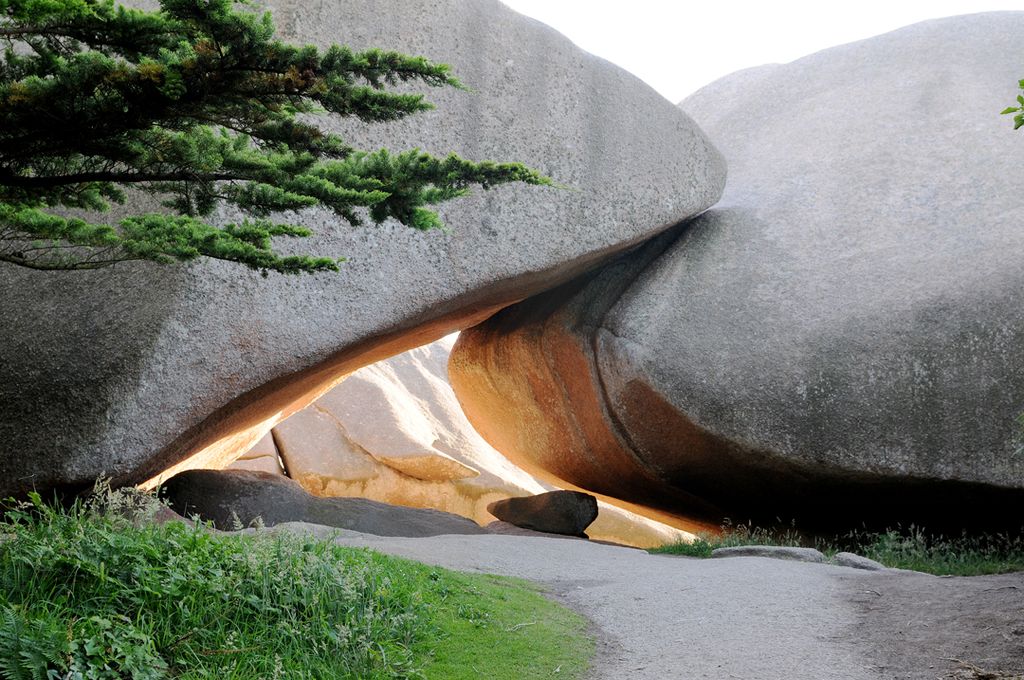
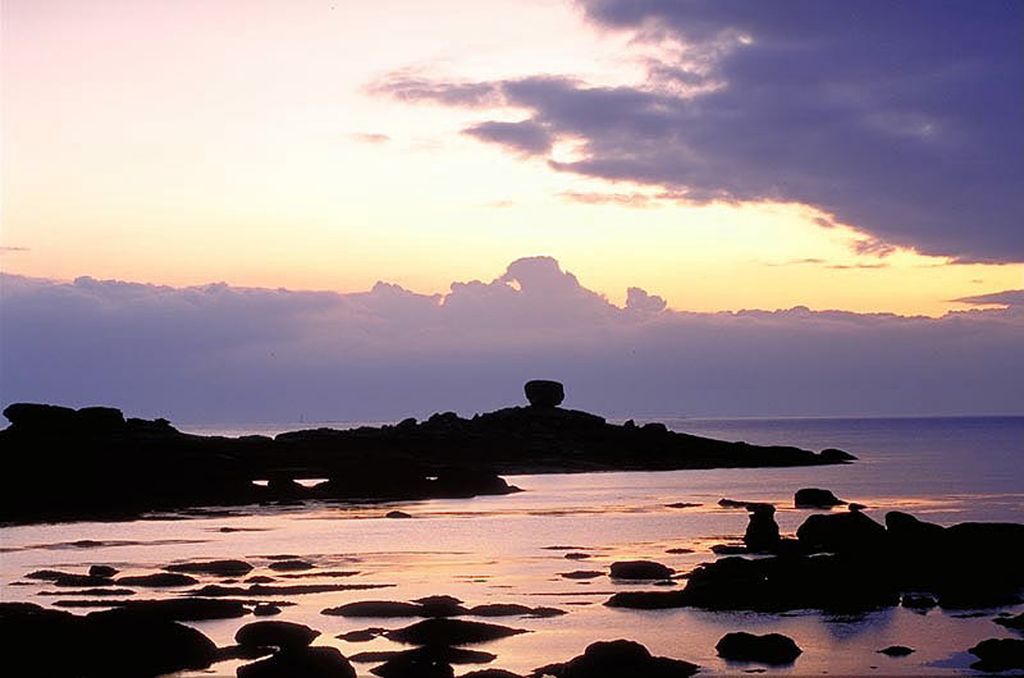
Ancienne île rattachée au continent en 1895, la presqu’île Renote conte une histoire humaine et géologique exceptionnelle. Occupée depuis 5 000 ans, elle présente un chaos granitique remarquable qui dessine un paysage naturel unique. Façonné par la mer, sculpté par le sel, le sommet des amoncellements rocheux s’est parfois creusé en cuvettes (ou crevasses) surnommées « bidets de la vierge » ou « empreintes du diable ». Vous pourrez retrouver le rocher que l’on appelle ici « La palette du peintre ». Attention à ne pas vous rendre dans les îles avoisinantes sans vérifier les horaires des marées, les courants sont ici très dangereux.


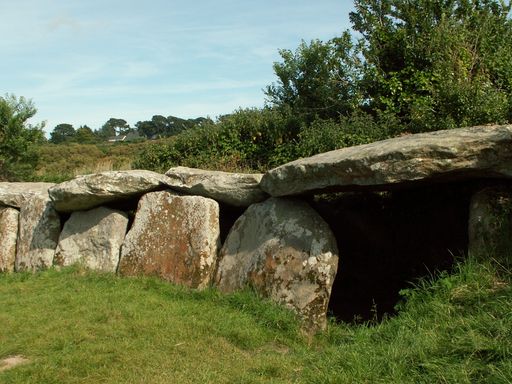

Kerguntuil
Trégastel
Datant de plus de 2000 ans av. J-C, les mégalithes de Kerguntuil sont d'admirables vestiges des constructions de l'homme du néolithique. Ces monuments de pierres assemblées aux dimensions...  Voir
Voir
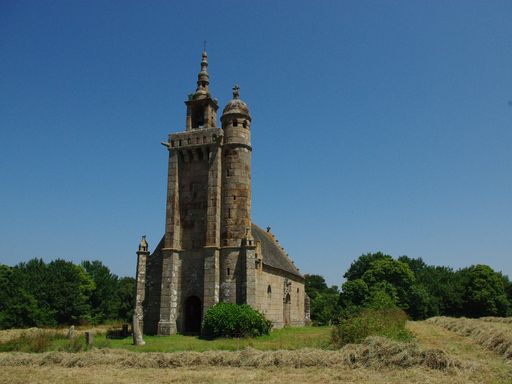

Chapelle Saint Samson
Pleumeur-Bodou
Ne manquez pas de visiter le hameau rural de Saint-Samson, ce petit coin de campagne au charme tranquille abrite une chapelle, un menhir et une fontaine. La chapelle construite entre 1575 et 1631... Voir
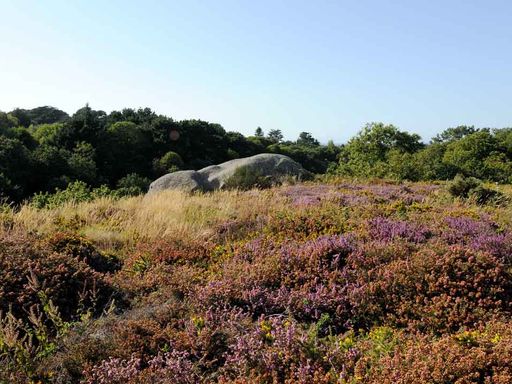

Carrières de Granite
Perros-Guirec
Les pierres roses de la Clarté sont exploitées depuis le début du XXe siècle et se distinguent par leur grande qualité. Profitez de la visite de cette carrière de granite rose pour découvrir... Voir
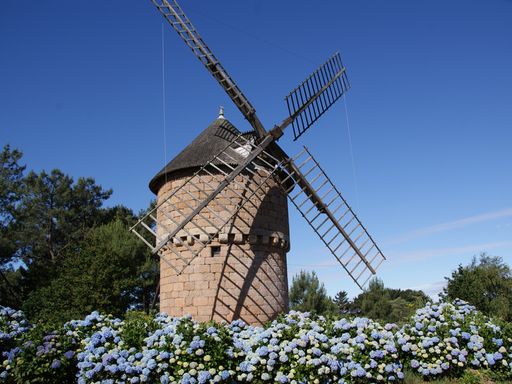

Moulin de la lande du Crac'h
Perros-Guirec
Le moulin du Crac'h, restauré en 1986, est le témoignage vivant d'une époque où; la machine à vapeur n'existait pas encore. Lors de votre visite, approchez-vous, vous apercevrez, gravée dans la... Voir