

La Lande du Crac‘h windmill
Perros-Guirec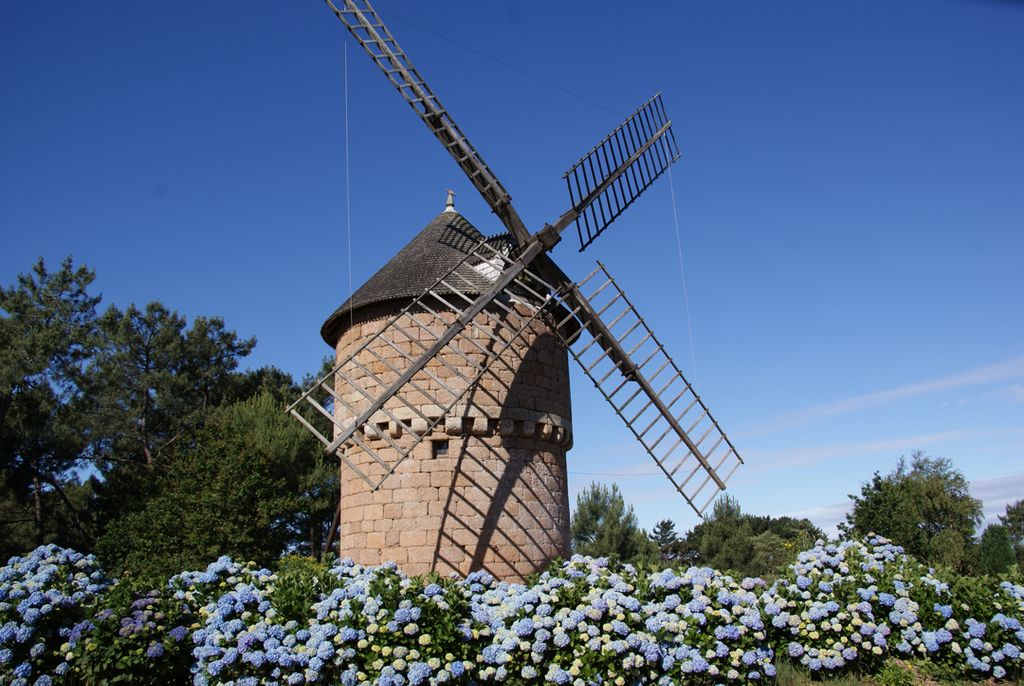
About
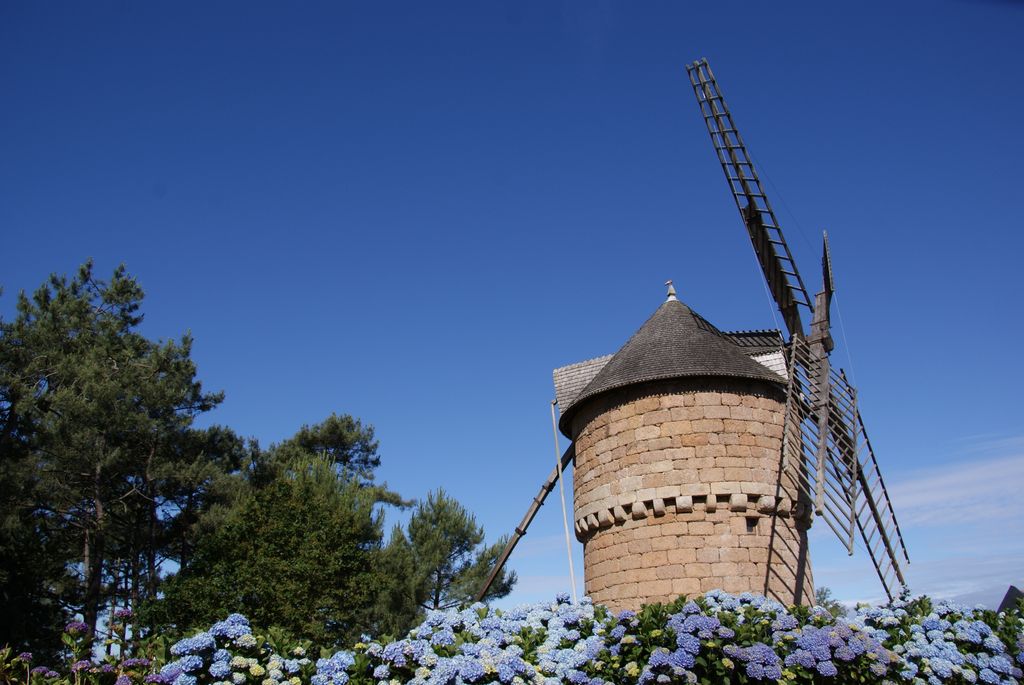
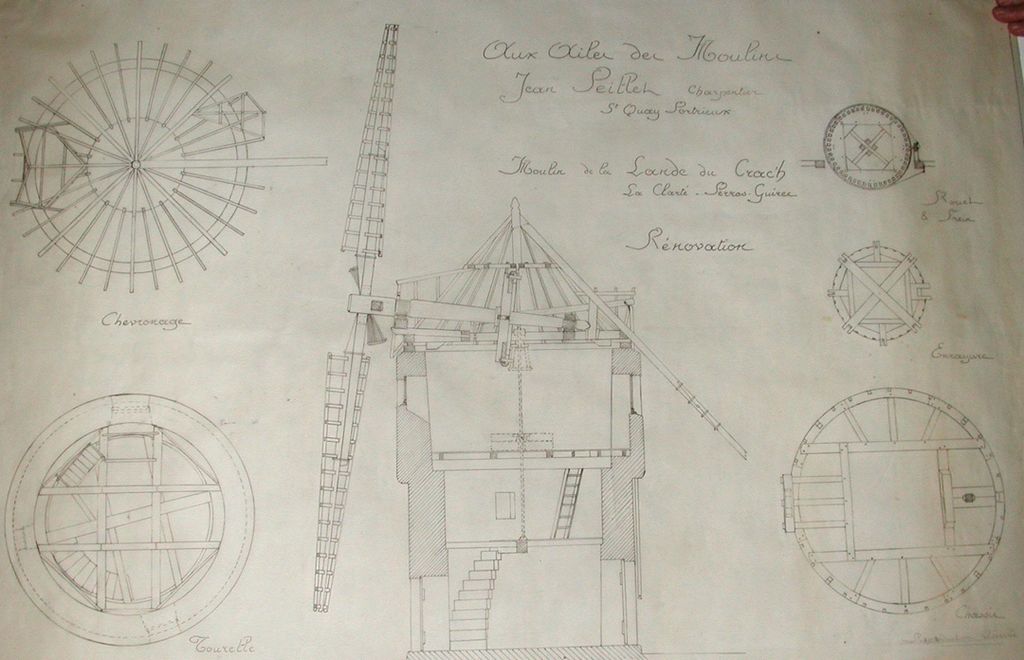
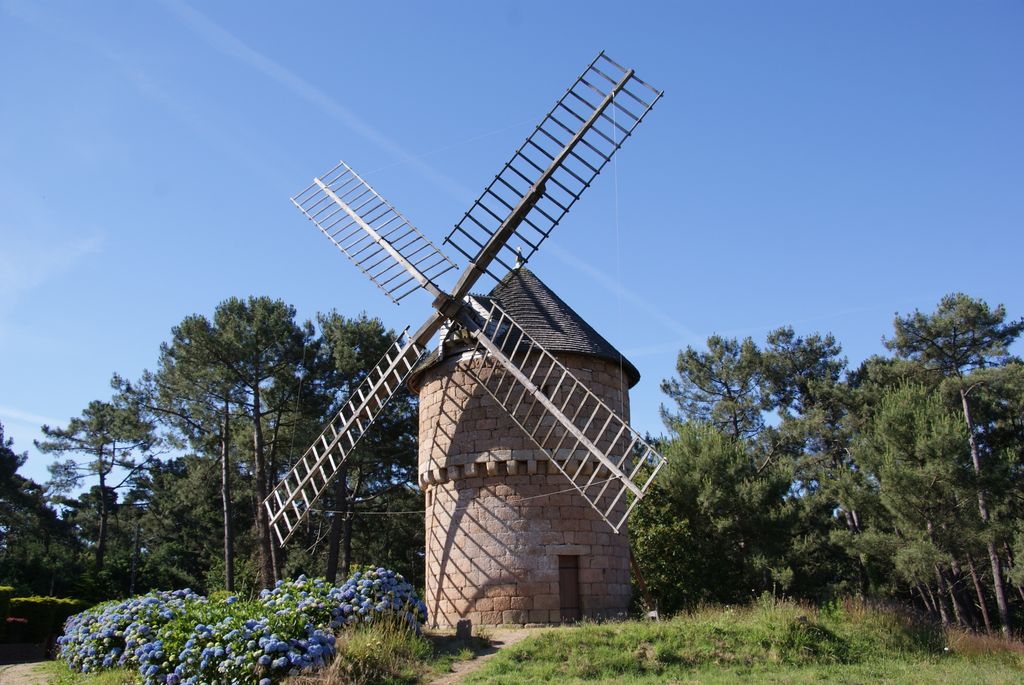
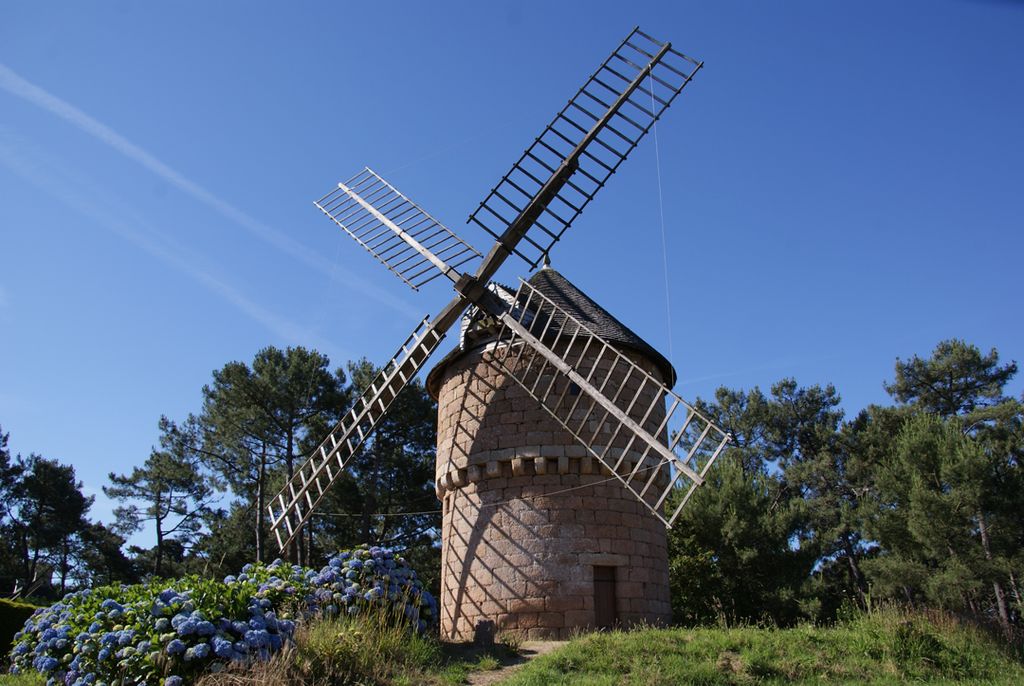
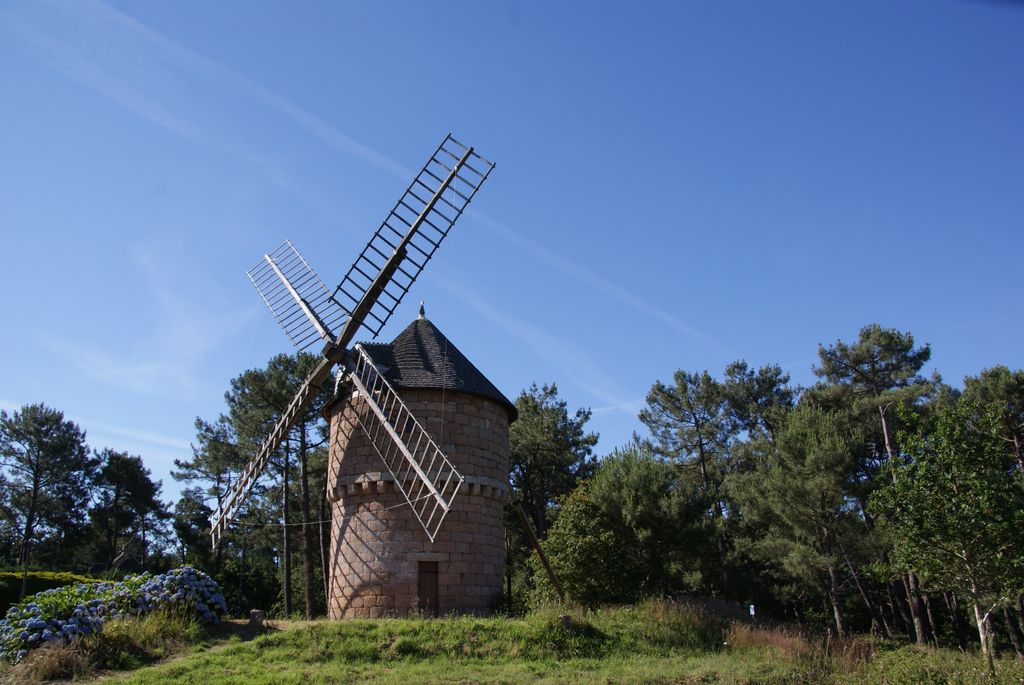
Crac‘h windmill, restored in 1986, bears testament to an era before the steam engine. Close up, you will be able to make out the engraving "1727" in the stone, likely indicating its date of construction. This mill is powered by the wind and is designed using an ingenious system. The upper, corbelled part keeps the sails away from the body of the windmill and a rotating system positions the sails according to the wind.


Mill Tourony
Trégastel
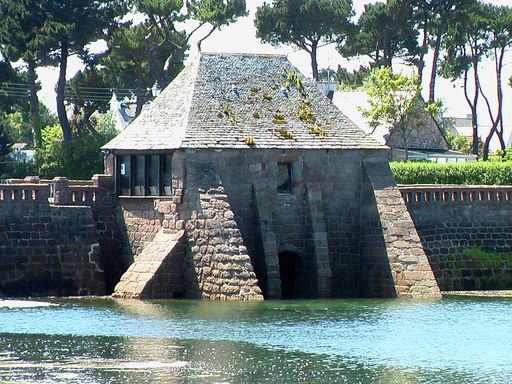
From the beach at Tourony, you can admire a beautiful view of the Château de Costaérès. This imposing neo-medieval style villa dates from the end of the nineteenth century. It was built by a rich...  See
See

Kerguntuil
Trégastel
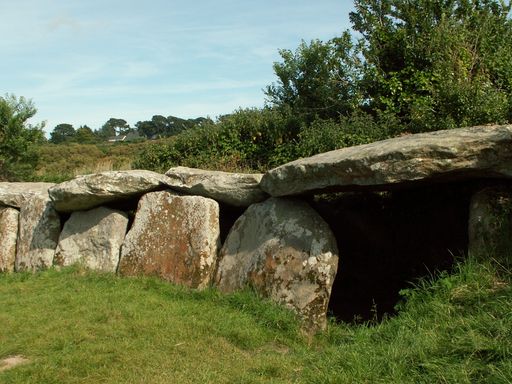
Dating from before 2,000 B.C., the megaliths of Kerguntuil are the impressive remnants of the structures built by Neolithic man. These immense monuments of assembled stones (the gallery grave is 9... See

Sainte Anne Bay
Trégastel
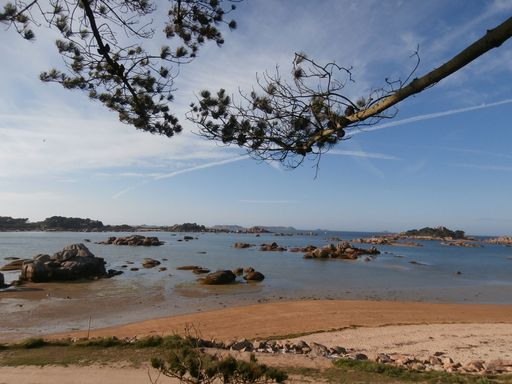
Walking by Sainte Anne Bay, you will discover an area rich in history and spirituality. Well before the construction of Sainte-Anne des Rochers Chapel in 1636, the area was home to several religious... See

Île Milliau
Trébeurden
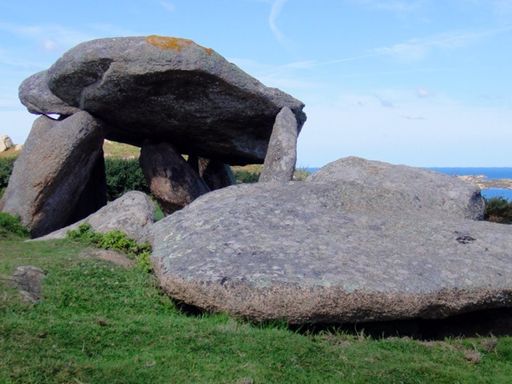
With its remarkable pink granite rock formations and darker sedimentary rocks, Île Milliau offers a landscape which takes your breath away. As well as enjoying the site's natural beauty, you can... See